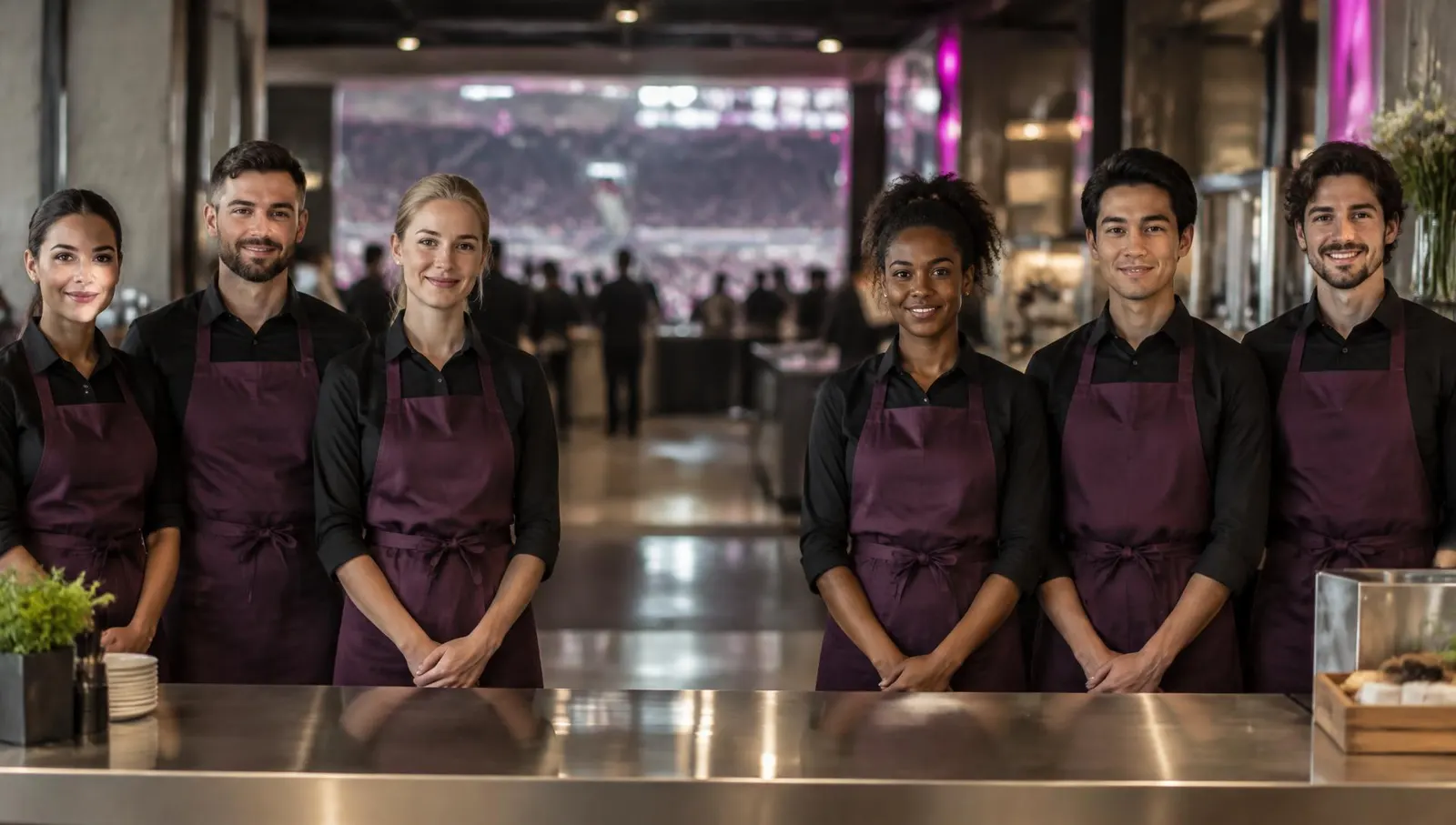
The workshops start in June
On June 10th and 17th, 2021, the workshops will kick off in Cologne's "good parlor" – the Flora. This location is not only special in itself, but the fact that Kirberg Catering (special thanks to Jutta Kirberg!) arranged this location for us and KölnKongress is providing it free of charge shows that we are on the right track.
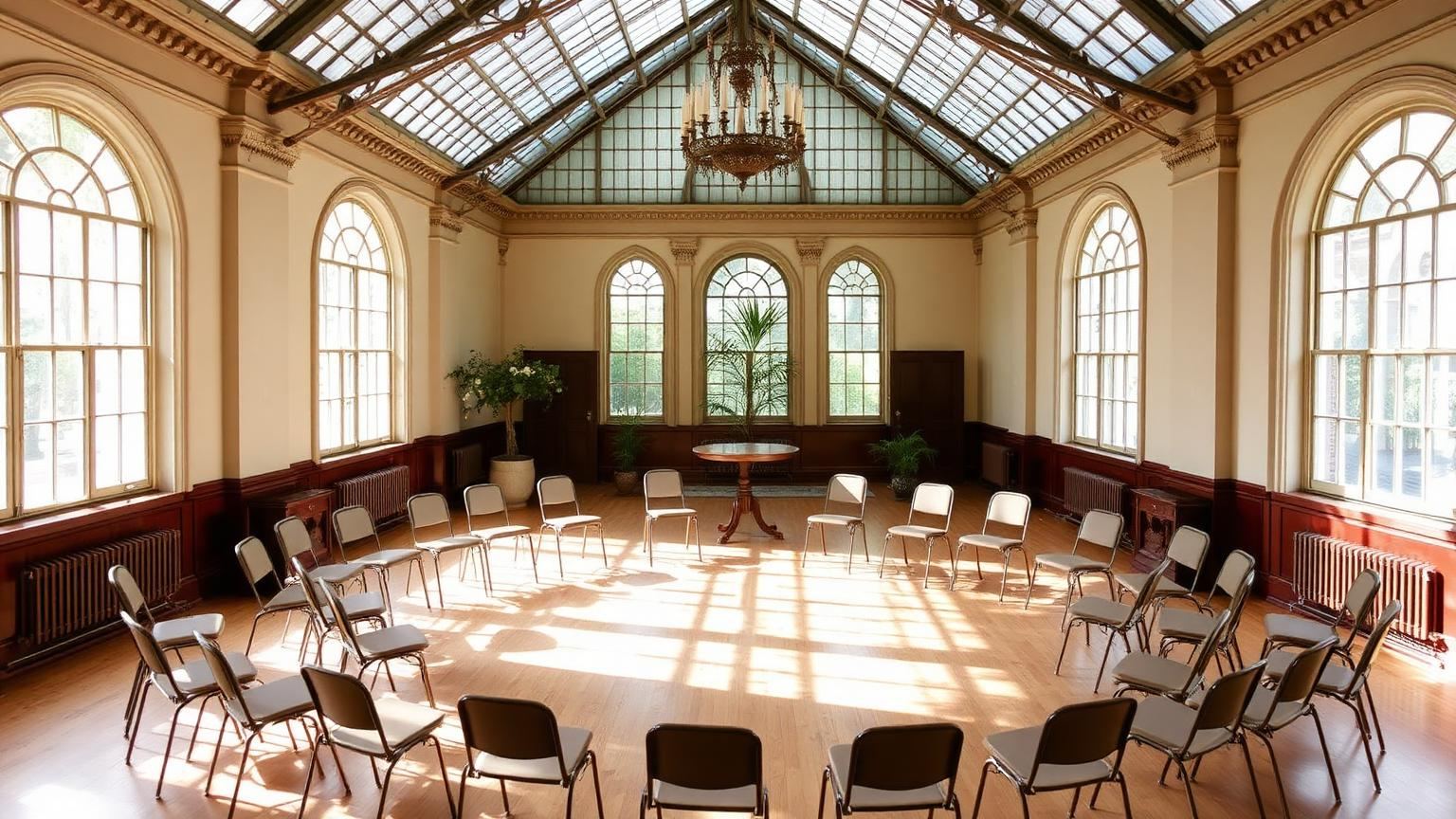

The workshops start at Flora Cologne.
SMARTCHILLI Flow is primarily intended to be one thing: simple. Simple to use and intuitive. Only then will software be adopted and tried out. The days of complex server solutions and highly intricate systems are over. As little functionality as possible; as much as necessary. That is the motto. That makes software attractive. Try it out and test it. That's how it's done today.
Flow will be an ecosystem, not a community.
It's a fundamental decision: open vs. closed system. A community is self-contained. All functions necessary for the community take place within it. Every single function must be developed for the community. The larger the community, the more complex the software.
SMARTCHILLI Flow connects different communities. That's why the ecosystem is more flexible and faster. It's about identifying interfaces and ensuring data exchange. Because every community already has its complex specialized software. And it's about which tasks are better handled in the ecosystem. Which are better done together, rather than within the community.
Learning from the pioneers. What do we need: and what already exists.
The declared goal of these workshops is to find out what exists - and what still needs to be invented. For the three areas of messaging, planning cockpit, and task-oriented documentation, we start with hypotheses. From there, we will creatively find our way.
Here are our hypotheses.
"Unnecessary or impossible communication on many channels eats up 30 percent of working time"
Every software has a messenger. Nevertheless, we use email, WhatsApp, radio, or telephones as required. The result is endless contact information for individuals that needs to be stored, and endlessly many channels that have to be searched to find what was said.
A messenger must recognize who is working and who is not. You must be able to communicate with working individuals even if you don't have their contact information. Furthermore, you must be able to communicate with locations. A messenger that can do all of this will replace all other systems – this is our view, which we gladly put up for discussion.
"Staff planning is ineffective. Auto-dispatch handles 80 percent of planning."
Duty rosters are created in the computer, sent, and then posted. Changes happen on paper and are subsequently adjusted in the computer. All of this is necessary because one plans without the other. The colleague plans the shifts, the employee plans their private appointments. If we let both sides plan together, this absurd workflow is no longer necessary. An automatic disposition arises whenever both needs "match".
We believe dating is more effective than planning.
"Delegating tasks and simultaneously documenting across companies makes paperless events possible"
Forms, checklists, and questionnaires. They serve for documentation and data exchange with previously unknown employees. That's so 1980s. If the messenger can distribute tasks, it can also document them. Instead of laying out lists or sending PDFs by email, tasks can be picked up directly at the start of work and completed tasks reported back immediately.
We believe that the use of existing digital devices enables paperless cross-company work and replaces every form.
We are excited to see what the pilots will make of these convictions. Of course, we will keep you updated.
Ready to drop the gut feeling?
Try SMARTCHILLI free for one month and experience scheduling without guesswork.
Book a live demoComments
- No comments yet – be the first!